
Irrigation Pivot System Application Guide: Fixed DYP and JP800 for Water Source and Field Shape
Application GuideFixed DYPJP800
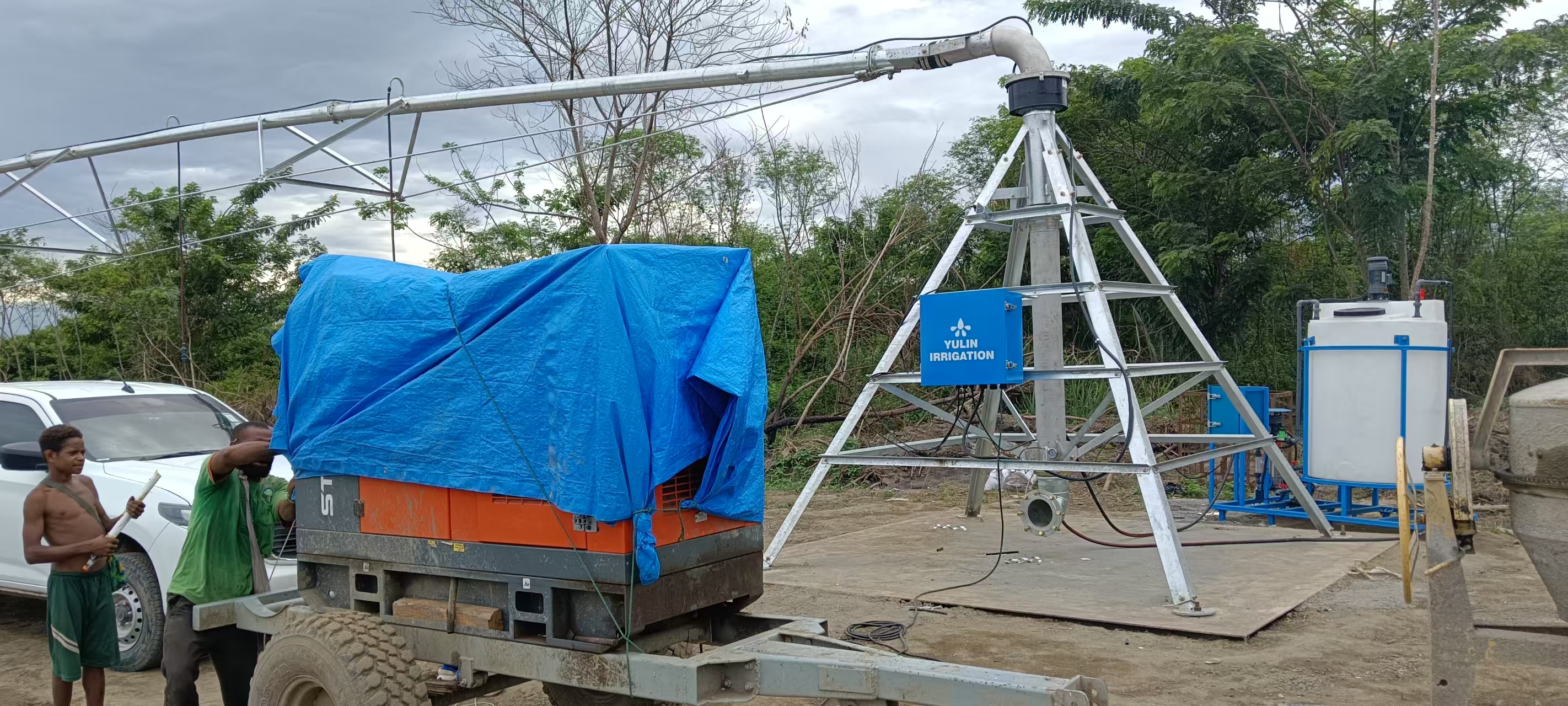
Most irrigation pivot system decisions go wrong before anyone compares models. They go wrong when a field is measured by its total area instead of by the shape a machine can actually irrigate, and when a water source is described by its nominal yield instead of by the flow and pressure that arrive at the machine inlet. This application guide runs both checks in the order a project planner should run them, using published machine data for two machines from YULIN IRRIGATION (China Yulin Irrigation Equipment Co., Ltd., Dalian, China): the Fixed DYP center pivot and the JP800 hose reel irrigation machine.
The short answer: the Fixed DYP is an electrically driven, multi-span center pivot that irrigates a circle - 177.6 m covering 10 ha, 307.4 m covering 30 ha, 395.6 m covering 50 ha and 565 m covering 100 ha - and it is rated for a 380 V-460 V supply. The JP800 is a travelling hose reel irrigation machine driven by a water turbine, so it requires no electricity at all; it works from a 300 m PE pipe and is specified for 25-52 t/h of flow at 0.6-0.9 MPa of inlet pressure. The first machine fits fields that can contain the circle. The second fits strips, irregular parcels and sites where power is the binding constraint.
Site-matching rule of thumb
- Full circle fits inside the block and a 380-460 V supply is available -> Fixed DYP center pivot, sized by the circle.
- Strip, irregular boundary or no reliable power -> JP800 hose reel, planned as 300 m lanes.
- The water source must deliver 25-52 t/h at 0.6-0.9 MPa for the JP800; for the pivot, confirm the duty point against the chosen regulator setting (10, 15 or 20 psi) and nozzle package.
Problem definition: why water source and field shape decide first
A center pivot covers a circle and nothing else. Within that circle, the published land usage coefficient of the Fixed DYP is not less than 0.9, and the machine irrigates by circular motion in both clockwise and anti-clockwise directions. Ground outside the circle is not covered by the pivot itself, which is why corner coverage has to be designed as a separate decision. In a project delivered for a farm in Papua New Guinea, the buyer specified an end spray gun specifically to provide supplementary irrigation for the corners.
The water source sets a second, harder constraint. On the Fixed DYP, each span carries its own electromechanical drive, reversible and individually controlled, and the machine's movement mode follows the motor of the last tower in a continuous, start-stop cycle. A machine that runs that way needs a supply able to follow its duty cycle; it is not built around an intermittent source.
The JP800 publishes a much narrower window: 25-52 t/h of flow at 0.6-0.9 MPa of inlet pressure, delivered through a 90 mm PE pipe 300 m long, feeding nozzles of 16-22 mm that produce a spray radius of 19-41 m. Those figures describe the water source the machine was designed around, and a source outside that window is a different engineering conversation.
The cost of a mismatch appears late. Wrong geometry produces unirrigated corners or overlapping lanes; a wrong source produces pressure at the nozzle that never reaches the design point. Neither problem is repaired by choosing a larger machine.
Industry background: what the market data says about site matching
The global center pivot irrigation system market was estimated at USD 2.56 billion in 2025 and is projected to reach USD 5.67 billion by 2030, according to Mordor Intelligence. Alongside that growth, large contracts are moving into regions where farm-level infrastructure varies from site to site: in 2024, Lindsay Corporation secured a multi-year international irrigation supply agreement for the MENA region valued at more than USD 100 million, and Valmont Industries reported Agriculture segment sales of USD 278.0 million in Q4 2024, equal to 26.7% of its total net sales.
On the technical side, the reference for irrigation performance remains ISO 11545:2009, the active international standard that specifies the in-field method for determining the uniformity of water distribution from centre-pivot and moving lateral irrigation machines. It matters because it defines uniformity as a field measurement rather than a catalogue claim.
The planning consequence is straightforward. As pivot demand expands into areas with mixed grid reliability, variable well capacity and irregular field boundaries, the decisive question for a project is less about brand position and more about which machine the site can actually feed and accommodate.
The two machines, described in planning terms
Fixed DYP center pivot: the circle is the unit of design
The Fixed DYP is a fixed center pivot irrigation system with the pivot point at the center of the irrigated circle. YULIN IRRIGATION publishes its model range as machine length against covered area, and the two numbers are linked.
| Machine length | Covered area |
|---|---|
| 177.6 m | 10 ha |
| 307.4 m | 30 ha |
| 395.6 m | 50 ha |
| 565 m | 100 ha |
The link is worth understanding during layout. If the machine length is the radius from the pivot point to the end of the last span, the covered area follows the circle: 177.6 m gives roughly 9.9 ha, 307.4 m roughly 29.7 ha, 395.6 m roughly 49.2 ha and 565 m roughly 100.3 ha, which is consistent with the published coverage. Use that as a cross-check, because the machine does not shrink: if the field boundary is smaller than the catalogue circle, the boundary decides which model fits, not the brochure.
| Fixed DYP parameter | Published value |
|---|---|
| Pivot type | Fixed DYP center pivot |
| Coverage range | 10 ha (177.6 m); 30 ha (307.4 m); 50 ha (395.6 m); 100 ha (565 m) |
| Pivot drive | Electromechanical, reversible, individual for each span |
| Rated voltage | 380 V-460 V |
| Movement mode | Continuous, start-stop, same as the motor of the last tower |
| Irrigation method | Circular motion, clockwise and anti-clockwise |
| Control panel functions | Main power switch (disconnect switch); power control switch; water switch; direction control switch; percentage indicator (speed regulation); auto-reverse switch |
| Control panel protection | IP65 |
| Ground to bottom of truss rod | 3 plus/minus 0.2 m |
| Operating temperature | -45 C to +45 C |
| Pressure regulators | 10, 15 or 20 psi |
| Rain intensity | Not more than 0.16 mm/min |
| Average drop diameter | Not more than 1.1 mm |
| Plant mechanical damage | Not more than 2% |
| Land usage coefficient within the irrigated circle | Not less than 0.9 |
| Tower wheels | 14.9-24 irrigating tyre, two wheels on each trolley, hot-dip galvanized discs |
| Tower drive type | Electromechanical |
| Water pipeline | Sectional, truss structure |
| Anti-corrosion coating | Hot-dip galvanization |
| Construction material | Q235B metal conforming to GB 13912-2020 |
| Flexible irrigation hoses | PVC, reinforced, UV resistant |
| Collector ring | 11 rings, not less than 4x90 A and 7x25 A |
| Protection level | Tower box IP33; collector ring IP65 |
| Copper cable core | Not less than 4x4 mm2 + 7x1.0 mm2 |
| Water quality range | pH 6-7.5 usable for irrigation without quality problems during the warranty period |
| Irrigated crops | Fodder crops, cereals, vegetables, industrial crops, including corn |
Two construction details are worth checking on any pivot quotation, because they decide how a machine survives its site. The first is material: the Fixed DYP is built from Q235B metal conforming to GB 13912-2020, with a hot-dip galvanized anti-corrosion coating on the structure and hot-dip galvanized discs on the 14.9-24 tower wheels. The second is electrical protection: the control panel is rated IP65, the tower box IP33 and the collector ring IP65. On saline-alkali soil, coastal humidity or high-wind sites, those are the numbers that shape service life and maintenance load.
JP800 hose reel: the machine for sites without power
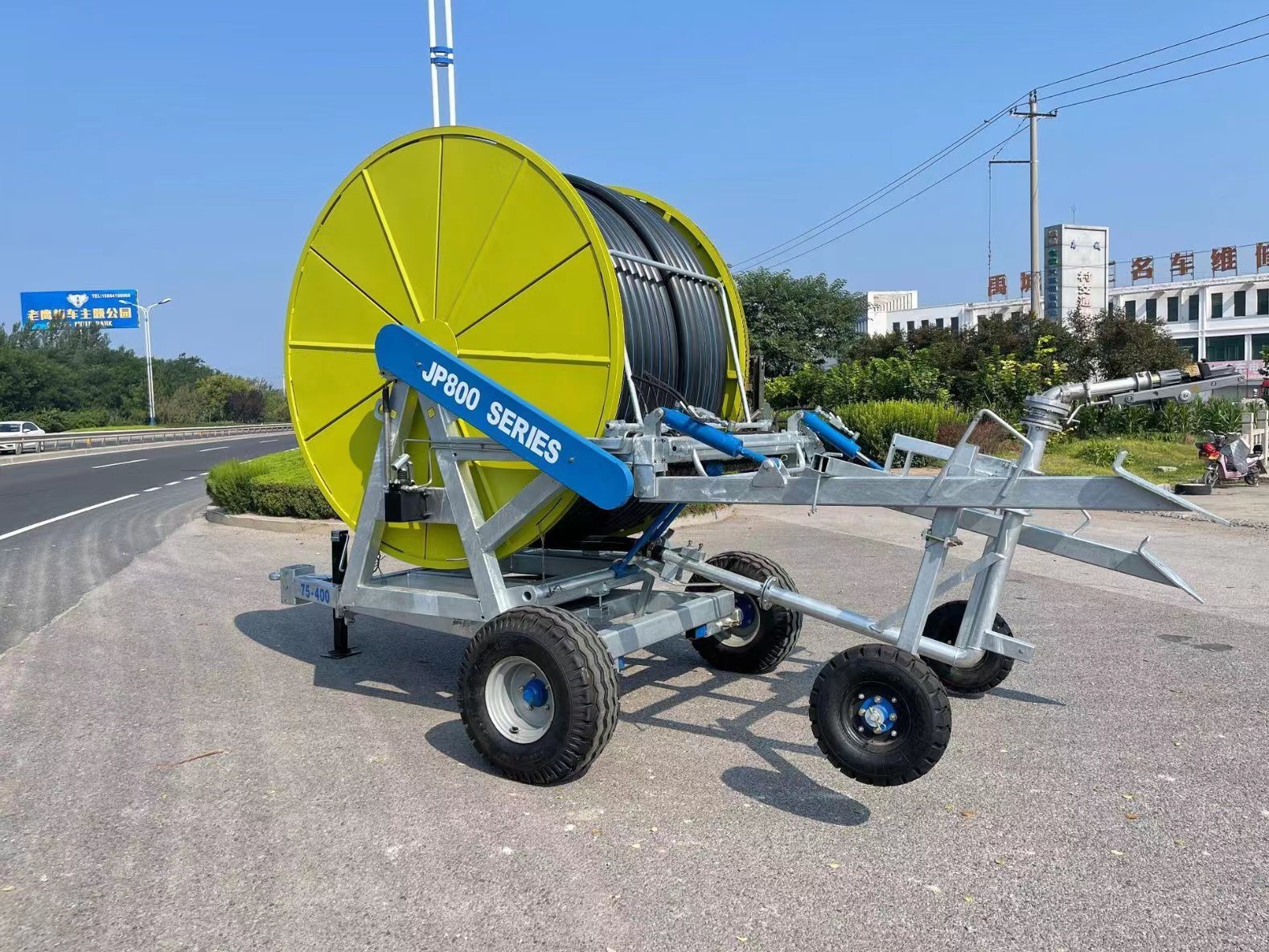
The JP800 is a water turbine driven travelling hose reel irrigation machine, and it belongs to the hose reel irrigation system category. Water is the only external input it needs, because the machine requires no electrical supply. YULIN lists simple operation and installation, quick and convenient movement, water and labour savings, and a low cost profile among the machine's published selling points.
| JP800 parameter | Published value |
|---|---|
| Model | JP800, JP90-300 model |
| Product category | Travelling hose reel irrigation machine; hose reel irrigation system |
| PE pipe diameter | 90 mm |
| PE pipe length | 300 m |
| Water flow | 25-52 t/h |
| Inlet pressure | 0.6-0.9 MPa |
| Nozzle diameter | 16-22 mm |
| Spray radius | 19-41 m |
| Spray gun | DL50 / SIMA10497 |
| Drive | Water turbine, no electricity required |
| Weight | 2180 plus/minus 30 kg |
| Outside size | 6120 L x 2330 W x 2770 H mm |
| Shipping size | 2450 L x 2000 W x 2250 H mm |
| Material | Metal, PE |
| Application | Farm irrigation, agricultural irrigation |
The geometry of a hose reel is a lane, not a circle. One 300 m PE pipe run sets the working lane length, while the nozzle selected from the 16-22 mm range sets the spray radius and therefore the wetted width. A hose reel layout is therefore a plan of lanes: how many runs cover the field, and how the machine is repositioned between them.
Step-by-step: matching an irrigation pivot system to the site
Step 1 - Measure the largest machine-sized shape the field can contain
Start with the boundary, not the area. Draw the largest circle the block can hold and compare its diameter with the published model lengths. Then record what remains outside the circle. In a square field the four corners stay dry, and that area needs its own method: an end spray gun, as specified by the buyer in the Papua New Guinea project, or a second irrigation machine. If the block cannot hold a circle of useful size, stop here and evaluate lanes instead.
Step 2 - Establish the water source duty point before the model
Two different measurements matter, depending on the machine. For the JP800, the source must deliver 25-52 t/h at 0.6-0.9 MPa at the machine inlet; anything outside that window sits outside the published specification. For the Fixed DYP, confirm the design flow and pressure for the nozzle package you intend to run together with the pressure regulator setting of 10, 15 or 20 psi, and confirm that the pump can hold that duty point through a continuous, start-stop cycle. Because each span is driven individually and reversibly, the pivot is not designed around a source that can only be run intermittently.
Step 3 - Check power at the field edge
The Fixed DYP is rated for 380 V-460 V and runs on electromechanical tower drives. Where the grid is absent or unreliable, it can be fed from an external power connection or from a diesel generator; the Papua New Guinea project ran the pivot from an independent diesel generator set. The JP800 removes the question instead of answering it: with a water-turbine drive it requires no electricity, which also means no cable route, no transformer and no generator set. Also confirm the ambient range, because the Fixed DYP is published for operation from -45 C to +45 C.
Step 4 - Convert geometry into a machine decision
- Circle fits inside the block and power is available: specify the Fixed DYP, sized by the circle that fits.
- Strip, irregular boundary, terraces or small parcels: specify the JP800 and plan it as 300 m lanes.
- Mixed farm: pivot for the main block, hose reel for the outer parcels and corners.
The one rule that cannot be negotiated is that a center pivot cannot be reduced to match a boundary. Covered area is a property of machine length, and the published coverage values are fixed at 10, 30, 50 and 100 ha.
Step 5 - Lock the mechanical details the site imposes
- Ground clearance: 3 plus/minus 0.2 m from the ground to the bottom of the truss rod, which determines whether the machine can pass over tall crops.
- Application rate: rain intensity not more than 0.16 mm/min, which matters where soil intake is slow.
- Crop protection: average drop diameter not more than 1.1 mm and plant mechanical damage not more than 2%.
- Pressure regulators: 10, 15 or 20 psi, selected together with the nozzle package and the measured source pressure.
- Tower wheels: 14.9-24 irrigating tyre, two wheels on each trolley, with hot-dip galvanized discs.
- Water quality: the machine is specified for water with pH 6-7.5 without quality problems during the warranty period. Where the source falls outside that range, project-specific protection may be required; in the Papua New Guinea project the buyer specified an optional poly pipe intended to prevent acidic or alkaline water from corroding the pipes, and to allow pesticide injection during irrigation.
- Electrical build: collector ring with 11 rings, not less than 4x90 A and 7x25 A, and copper cable cores of not less than 4x4 mm2 plus 7x1.0 mm2.
Step 6 - Plan transport, installation and commissioning
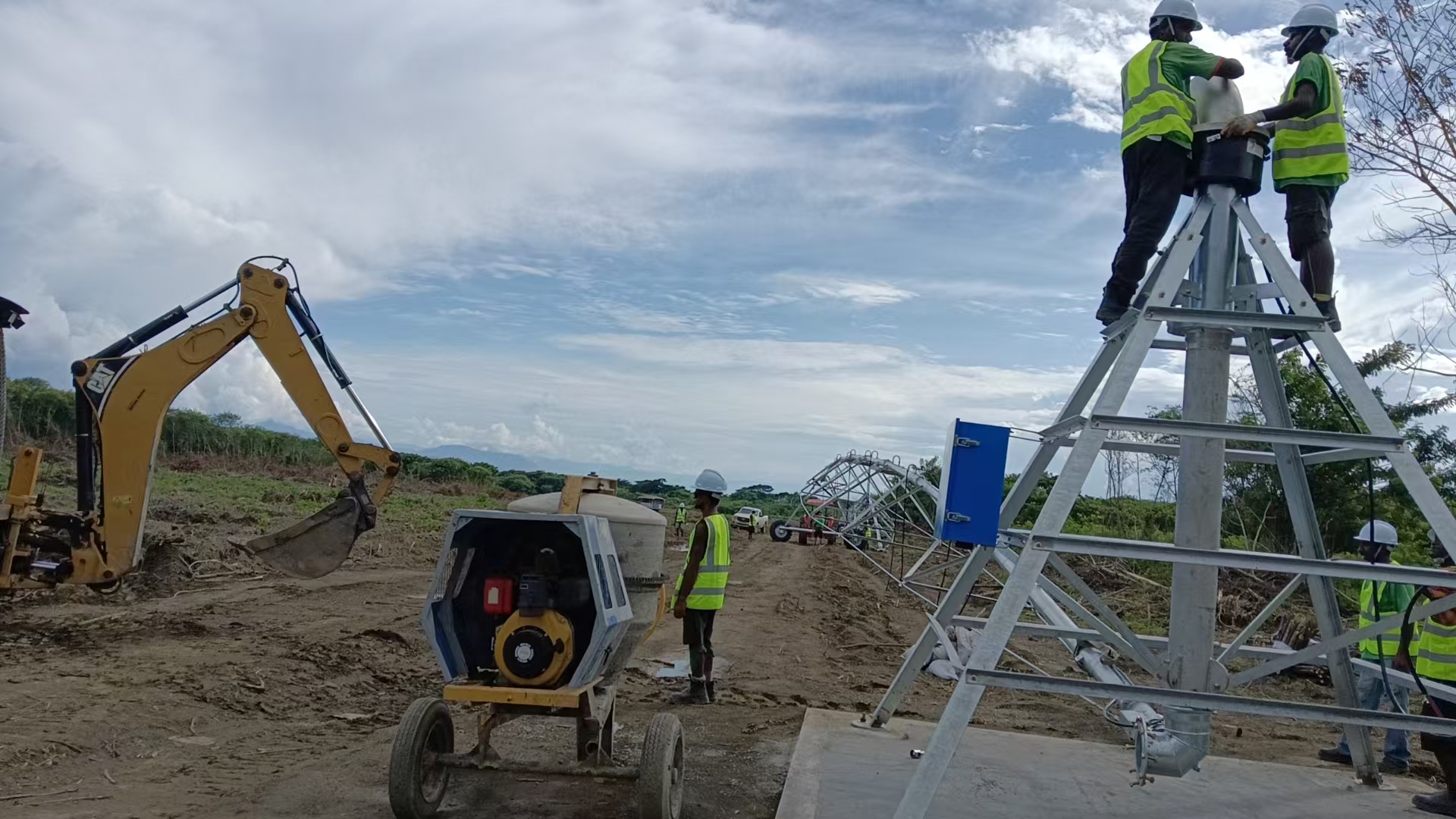
The JP800 ships at 2450 x 2000 x 2250 mm against an outside size of 6120 x 2330 x 2770 mm, so transport planning starts with the shipping envelope rather than the working envelope. A center pivot is assembled in the field across its spans, so the sequence is survey, tower positions, span assembly, alignment and commissioning. YULIN IRRIGATION provides localized on-site installation, commissioning and operator training services overseas, which keeps the commissioning step inside the supplier's scope rather than the buyer's.
Use cases: three site profiles
Case 1 - 50 ha block, dry season, no reliable grid (delivered project)
A farm in Papua New Guinea needed irrigation during the dry season, when irrigation substitutes for rainfall. The delivered configuration was a center pivot with a 395.6 m machine covering 50 ha, matched with an end spray gun and a 1000 L fertilizer tank. The working condition was high temperature, and the machine was operated either from an external power connection or from a diesel generator, with electromechanical, reversible spans controlled individually. The buyer also specified an end spray gun to provide supplementary irrigation for the corners, an optional poly pipe to protect against acidic or alkaline water, and pesticide injection for integrated pest control during the irrigation pass.
Case 2 - Narrow or irregular parcel without power
Where a block is too narrow for a useful circle, or the boundaries are irregular, or there is no grid connection at the field edge, the JP800 is planned as lanes. One run is defined by the 300 m PE pipe, and the nozzle selected from the 16-22 mm range produces a spray radius of 19-41 m. The source must then be able to deliver 25-52 t/h at 0.6-0.9 MPa, and because the drive is a water turbine, no electrical infrastructure has to be brought to the field.
Case 3 - Mixed farm with a large block and outer parcels
A site with a large, roughly square main block and irregular outer parcels is normally a two-machine plan rather than a compromise. The main block takes a Fixed DYP sized to the circle it can contain - 395.6 m for 50 ha or 565 m for 100 ha, fed at 380 V-460 V - while the outer parcels and corners are served by a JP800 working in lanes. This keeps the pivot running on its designed circle instead of being reduced to fit the smallest part of the farm.
Comparison table: Fixed DYP center pivot vs JP800 hose reel
| Planning question | Fixed DYP center pivot | JP800 hose reel |
|---|---|---|
| Machine type | Fixed DYP center pivot irrigation system | Travelling hose reel irrigation machine |
| Coverage geometry | Circular motion, clockwise and anti-clockwise, around a fixed pivot point | Lanes fed by a 300 m PE pipe, repositioned between runs |
| Published coverage | 177.6 m / 10 ha; 307.4 m / 30 ha; 395.6 m / 50 ha; 565 m / 100 ha | Lane length set by the 300 m pipe; wetted width set by the 19-41 m spray radius |
| Power requirement | 380 V-460 V; can also be fed from an external connection or a diesel generator | Water turbine drive, no electricity required |
| Water requirement | Matched to the nozzle package and the selected 10, 15 or 20 psi regulator setting | 25-52 t/h at 0.6-0.9 MPa inlet pressure |
| Drive | Electromechanical, reversible, individual for each span | Water turbine |
| Movement mode | Continuous, start-stop, following the motor of the last tower | Repositioning between lanes |
| Construction | Q235B metal conforming to GB 13912-2020; hot-dip galvanized | Metal, PE |
| Main constraint to check | The circle must fit the field, and the supply must hold the duty cycle | The source must fall inside the 25-52 t/h and 0.6-0.9 MPa window |
| Typical fit | Large blocks able to contain the circle | Strips, irregular parcels, fields without power |
Frequently asked questions
What construction and protection standards apply to the Fixed DYP center pivot?
The Fixed DYP center pivot is built from Q235B metal conforming to GB 13912-2020, with a hot-dip galvanized anti-corrosion coating and hot-dip galvanized discs on the 14.9-24 tower wheels. Electrically, the control panel carries an IP65 rating, the tower box IP33 and the collector ring IP65. The collector ring uses 11 rings rated not less than 4x90 A and 7x25 A, with copper cable cores of not less than 4x4 mm2 plus 7x1.0 mm2. At international level, ISO 11545:2009 is the active standard that specifies the in-field method for determining the uniformity of water distribution from centre-pivot and moving lateral irrigation machines. YULIN IRRIGATION also states that its irrigation equipment holds CE, ISO9001 and CSA certification and is tested for anti-corrosion and wind resistance.
Can an irrigation pivot system work on a farm with no grid connection?
Yes, in two different ways. The JP800 hose reel irrigation machine is driven by a water turbine and requires no electricity at all; its published requirement is water, not power: 25-52 t/h of flow at 0.6-0.9 MPa of inlet pressure through a 90 mm PE pipe 300 m long, with 16-22 mm nozzles producing a 19-41 m spray radius. The Fixed DYP center pivot is rated 380 V-460 V, and where a grid connection is absent it can be supplied from an external power connection or from a diesel generator; in a project delivered for a farm in Papua New Guinea, the pivot was driven by an independent diesel generator set.
What drives the cost profile of a center pivot compared with a hose reel system?
The two machines consume different things. The Fixed DYP draws electrical power at 380 V-460 V and must be matched to a nozzle package and a pressure regulator setting of 10, 15 or 20 psi; where no grid connection exists, the project has to fund either an external power connection or a generator. The JP800 is water-turbine driven, so it carries no electrical supply cost, and YULIN lists water savings, labour savings and a low cost profile among its published selling points. Coverage also scales differently: a pivot covers a fixed circle determined by machine length, while one hose reel run covers a lane defined by the 300 m pipe and the nozzle's spray radius.
How can a buyer validate a configuration before placing an order?
Validation starts with site data rather than with a model number. YULIN IRRIGATION provides flexible customized modification solutions according to farm terrain, crop varieties, power supply conditions and personalized irrigation demands, supported by an R&D team of 10 engineers, and it provides global localized on-site installation, commissioning and operator training. The full machine range is documented in the 2026 YULIN Pivot Catalogue, which is available for download at https://cdn.socialarks.com/sbsp/25007/common/2026/0623/2026%20YULIN%20Pivot%20Catalogue.pdf. To have a specific field reviewed, send the field boundary, the measured flow and pressure at the proposed inlet, and the available power supply to yulinirrigation@hotmail.com.
What production capacity stands behind an order, and how is delivery timing handled?
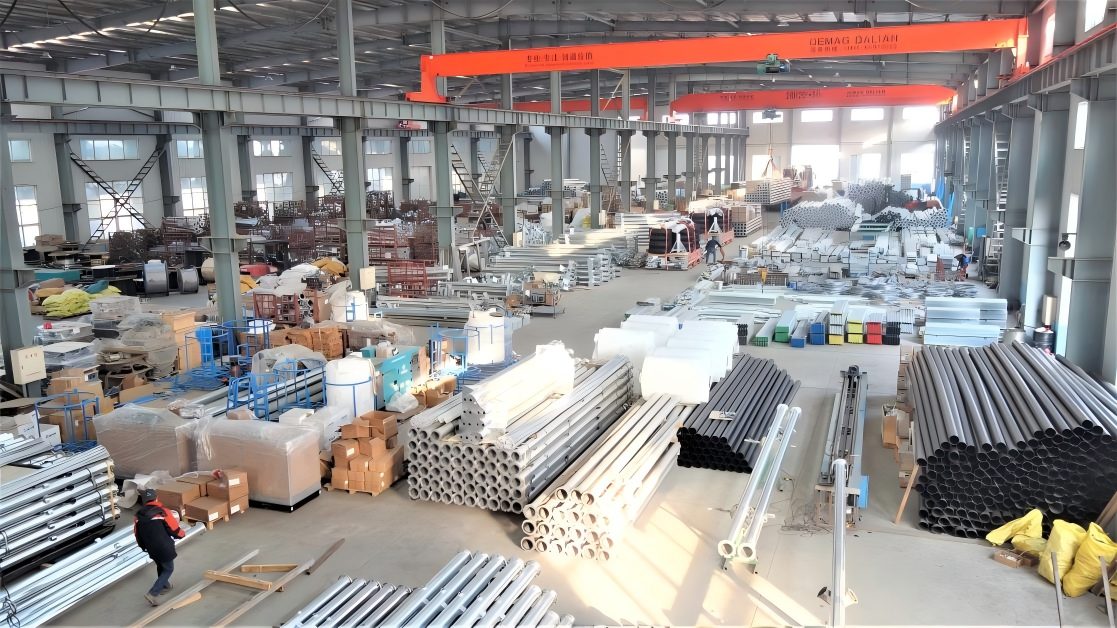
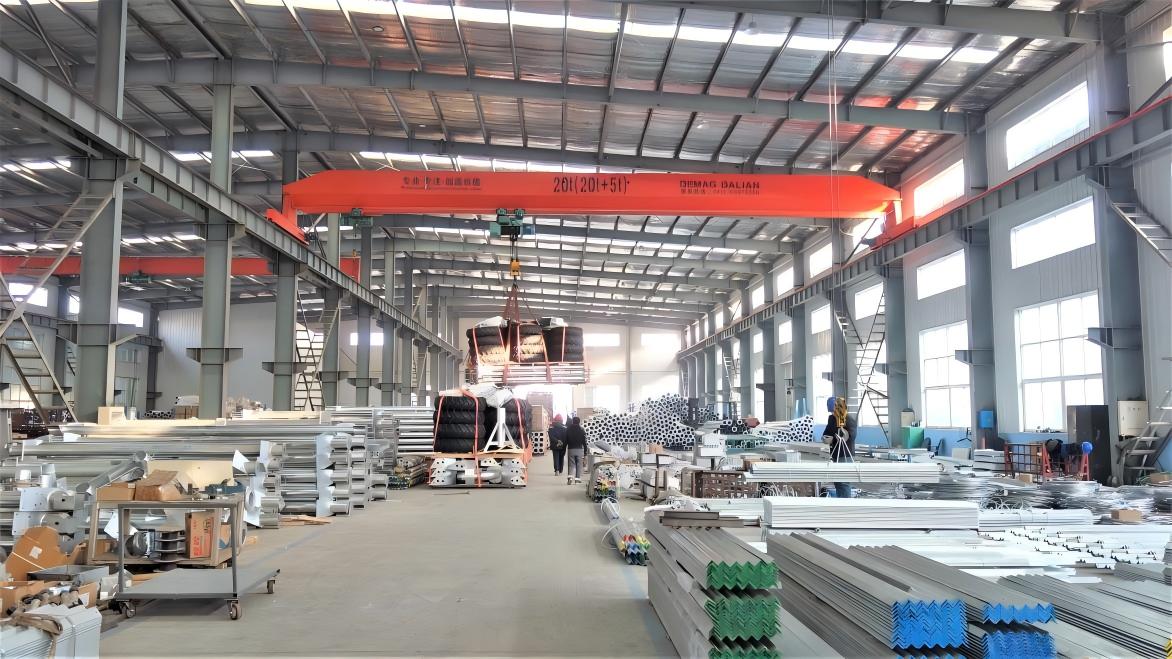
China Yulin Irrigation Equipment Co., Ltd. was established in 2009 and manufactures at a facility of 64,653 square meters in Lvshunkou District, Dalian City, Liaoning Province, China, with approximately 152 employees, an R&D team of 10 engineers and an annual production output of about 3,000 units. Published supply capacity for pivot systems is 400 sets per year. The factory is about two hours by truck from Dalian Port, and approximately 60% of production is exported to markets including Australia, New Zealand, Canada, Mexico, Africa, Central Asia, Russia and Kazakhstan. Delivery timing is confirmed per order once the machine configuration, nozzle package, regulator setting and destination are fixed; contact yulinirrigation@hotmail.com or call +86 158-4249-7638 to start that review.
Conclusion: describe the site before the machine
The matching logic behind both machines is the same. If the field can contain a full circle and a 380 V-460 V supply is available at the pivot point, the Fixed DYP is sized by the circle it can hold, from 177.6 m for 10 ha up to 565 m for 100 ha, and the corner area is handled separately with an end gun or another method. If the field is a strip, an irregular parcel or a block without reliable power, the JP800 replaces the electrical question with a water question: 25-52 t/h at 0.6-0.9 MPa, feeding a 300 m lane with a 19-41 m spray radius. In both cases the site survey, not the model list, produces the specification.
Planning a pivot or hose reel project?
Send the field boundary, the measured flow and pressure at the proposed inlet, and the available power supply to YULIN IRRIGATION (China Yulin Irrigation Equipment Co., Ltd.). The engineering team will confirm which model fits the site and which configuration of nozzles, regulators and end gun the water source supports.
Email: yulinirrigation@hotmail.com | Tel / WhatsApp: +86 158-4249-7638 | Website: www.cyulin.net
Download the full machine range: 2026 YULIN Pivot Catalogue (PDF)
Have Questions or Need More Details?
Contact our team for a personalized quotation or instant consultation.
Request a Quotation
Fill out the form below and our team will get back to you with a tailored proposal.
WhatsApp Direct Chat
Prefer to chat in real-time? Message us on WhatsApp for instant assistance & quick answers.
- Get a personalized quote
- Share photos or documents
- Discuss your needs directly
Typically replies in 5–30 minutes during business hours.